
Understanding the Emotional Response
The design of a casino is intricately crafted to evoke specific emotional responses from visitors, which is a cornerstone of the gaming experience. By utilizing various design elements such as lighting, color schemes, and layout, casinos aim to create an atmosphere that feels exciting and immersive. For example, brightly colored carpets and dramatic lighting are often employed to stimulate excitement and encourage more engagement from patrons. This psychological manipulation encourages players to stay longer, increasing their chances of spending more money at an australian online casino where the thrill of gaming can be fully experienced. The skillful blending of these elements creates an environment that resonates with the emotional state of players, making them feel more connected to the experience.
Moreover, sound plays a crucial role in enhancing emotional responses. The sounds of slot machines, jingles, and constant chatter create a sensory environment that can heighten emotions and foster a sense of euphoria. Each sound is meticulously designed to reinforce the thrill of the game, with upbeat tones signaling wins and softer sounds accompanying losses. This carefully orchestrated environment compels individuals to forget outside concerns and immerse themselves in the gaming experience. The auditory landscape is not just background noise; it is a critical component that shapes the overall atmosphere and influences player behavior.
Lastly, the layout of a casino is strategically planned to guide players through different areas without a clear sense of direction. The absence of windows and clocks reinforces the feeling of timelessness, creating a space where visitors lose track of time. This psychological approach encourages them to remain engaged longer, thus increasing the likelihood of extending their gaming sessions. By creating a maze-like environment, casinos can manipulate flow and movement, ensuring that players continue exploring without realizing how much time has passed. The emotional response engineered by casino design is a powerful tool that has significant implications for their profitability and success.
The Role of Space and Layout
The physical layout of a casino is crafted to maximize both player engagement and spending. Designers understand the importance of flow within the space; they create pathways that entice visitors to explore. The arrangement of gaming tables, slot machines, and dining areas is intentional—key attractions are often placed strategically to catch the eye and draw people in. This open-floor concept fosters a sense of community, encouraging social interaction among players and making them more likely to engage in longer gaming sessions. By carefully considering sightlines and accessibility, casinos can create an inviting environment that keeps guests at the heart of the action.
Additionally, the concept of zoning is pivotal in casino design. Different sections of a casino are often designated for specific activities, such as high-stakes gaming, family-friendly areas, or lounges for relaxation. This segmentation allows casinos to cater to various demographics, ensuring that every visitor finds an engaging environment suited to their preferences. The way these spaces are separated or interconnected influences players’ decisions and behaviors, subtly guiding them towards different types of gaming experiences. A well-planned layout not only enhances comfort but also strategically directs the flow of money through the establishment.
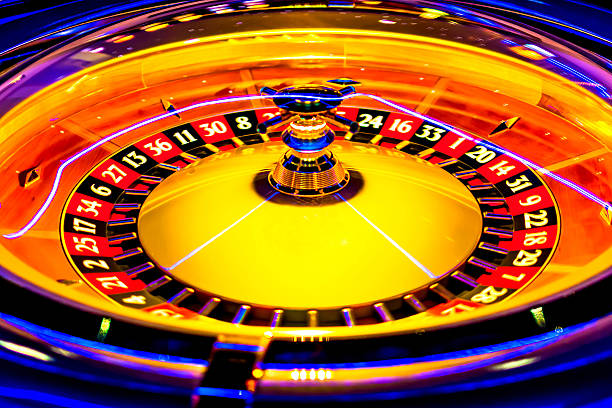
Furthermore, the use of barriers, such as walls or screens, can create intimate gaming areas that feel exclusive. This sense of exclusivity can elevate the emotional experience for players, particularly in high-stakes areas where individuals may be more willing to gamble significant amounts. By manipulating space in such a way, casinos can enhance the player experience while controlling the flow of money throughout their establishments. The layout of a casino is not merely functional; it is an essential aspect of the psychological landscape that shapes player behavior and engagement.
Color Theory and Its Impact
Color plays a pivotal role in casino design, as it can significantly impact mood and behavior. Designers leverage color theory to elicit specific emotional responses that align with the intended experience of the casino. For instance, warm colors like red and gold are commonly used to evoke feelings of excitement and luxury. These colors not only attract attention but also create an inviting environment that encourages spending. In contrast, cooler colors like blue may be used in lounges or dining areas to promote relaxation and comfort. The careful selection of colors can deeply influence how players feel and interact with the space around them.
The psychology of color extends beyond aesthetics; it also influences decision-making. Research suggests that the colors surrounding players can impact their perception of risk and reward. For example, green is often associated with money and success, creating a favorable psychological environment that can lead players to feel more confident when placing bets. This connection between color and financial success can subtly affect how much money they are willing to risk. Color combinations, such as bright hues against darker backgrounds, can also heighten player focus, further enhancing the gaming experience.
Moreover, the strategic use of color can create a cohesive branding experience within a casino. By maintaining a consistent color palette throughout the establishment, casinos reinforce their identity and foster brand loyalty. This branding not only attracts first-time visitors but also encourages repeat patronage, as guests associate specific colors with the emotions and experiences they encounter. Understanding and utilizing color theory is, therefore, an essential aspect of effective casino design, influencing everything from player mood to overall satisfaction.
Creating a Sense of Reward and Anticipation
Casinos are designed to harness the psychological principles of reward and anticipation, crucial concepts in driving player behavior. The architecture, lighting, and sound are all fine-tuned to create a sense of excitement and suspense as players wait for outcomes at gaming tables or slot machines. This feeling of anticipation can lead to an adrenaline rush, encouraging players to wager more. For instance, the thrill of hearing the spinning reels of a slot machine or the shuffling of cards at a blackjack table heightens emotional investment and encourages continued play. The environment is designed to keep players on the edge of their seats, creating a continuous cycle of engagement.

Additionally, the layout of various games is carefully orchestrated to promote an ongoing cycle of winning and losing. The placement of lucrative jackpots in visible areas or the occasional near-win scenario plays a psychological trick on players, reinforcing the belief that they are close to a big win. This phenomenon, known as the «near-miss effect,» keeps players engaged by creating an illusion of control over the outcomes, which can lead to extended gambling sessions. Players become invested in the game, feeling as though they are just one step away from success, which can lead to increased spending.
Furthermore, rewarding players through loyalty programs or bonuses further enhances the sense of reward within a casino. These incentives act as psychological sweeteners, making players feel valued and appreciated. The promise of rewards can encourage habitual visits, as players are often motivated to return to claim their winnings or bonuses. This cycle of expectation and reward creates a compelling environment where players are continuously drawn back into the gaming experience. In essence, the careful integration of reward and anticipation within casino design creates a dynamic atmosphere that encourages ongoing engagement and spending.
The Digital Age of Casino Design
As the gambling industry evolves, the principles of casino design also adapt to meet the demands of a more technologically savvy audience. Online casinos have begun to embrace similar psychological tactics, creating virtual environments that mimic physical spaces. Elements like gamified rewards, interactive features, and visually stimulating graphics are now integral to the online gaming experience. These developments suggest that the psychology behind casino design remains relevant, regardless of the medium through which gaming occurs. Online platforms are increasingly leveraging these techniques to enhance user engagement, creating immersive experiences that captivate players.
In the future, we can expect to see innovations that further enhance the psychological engagement of players in both physical and digital formats. The use of augmented reality (AR) and virtual reality (VR) may revolutionize how casinos design their spaces, creating immersive experiences that captivate players like never before. These technologies can provide interactive elements that deeply engage users, allowing them to feel as though they are part of the action, whether in a virtual game or a physical casino. The evolution of casino design will likely continue to explore new ways to engage players on a psychological level.
Understanding the psychology behind casino design is essential for both operators and players alike. For those looking to maximize their gaming experience, being aware of these psychological tactics can help navigate the complexities of casino environments. Whether visiting a physical location or engaging in online gaming, recognizing the underlying psychology can lead to more informed decisions and a more enjoyable experience overall. By being mindful of the design principles at play, players can enhance their enjoyment and perhaps improve their overall experience with gaming.